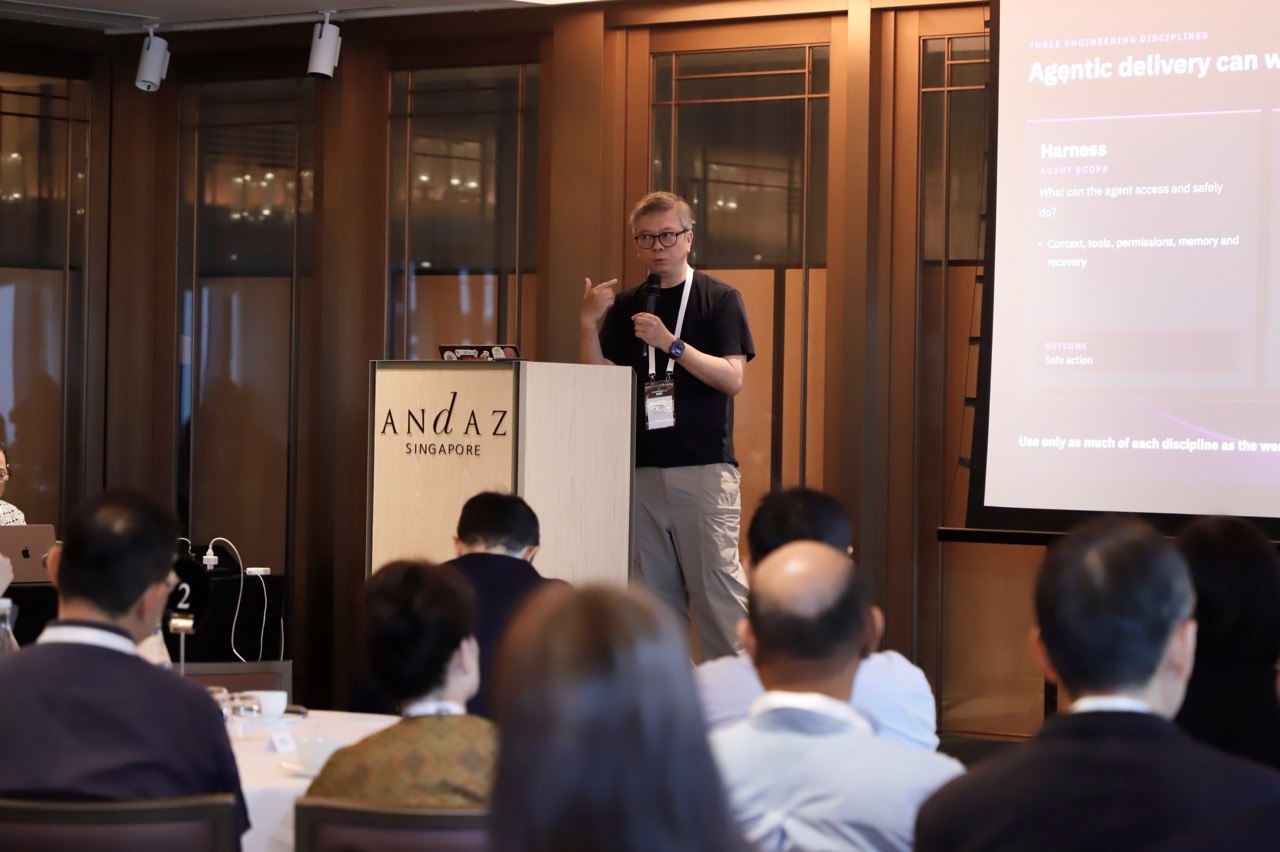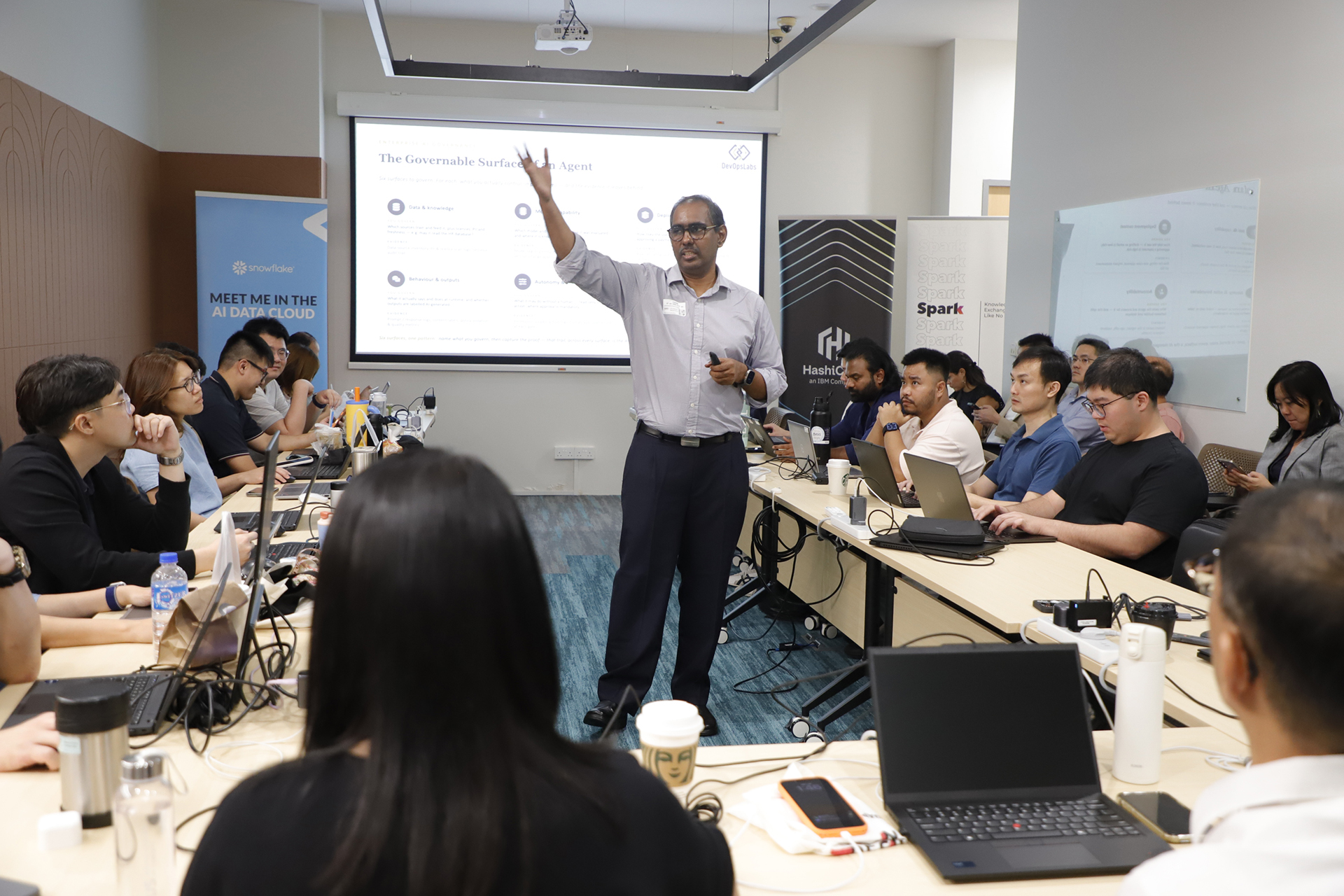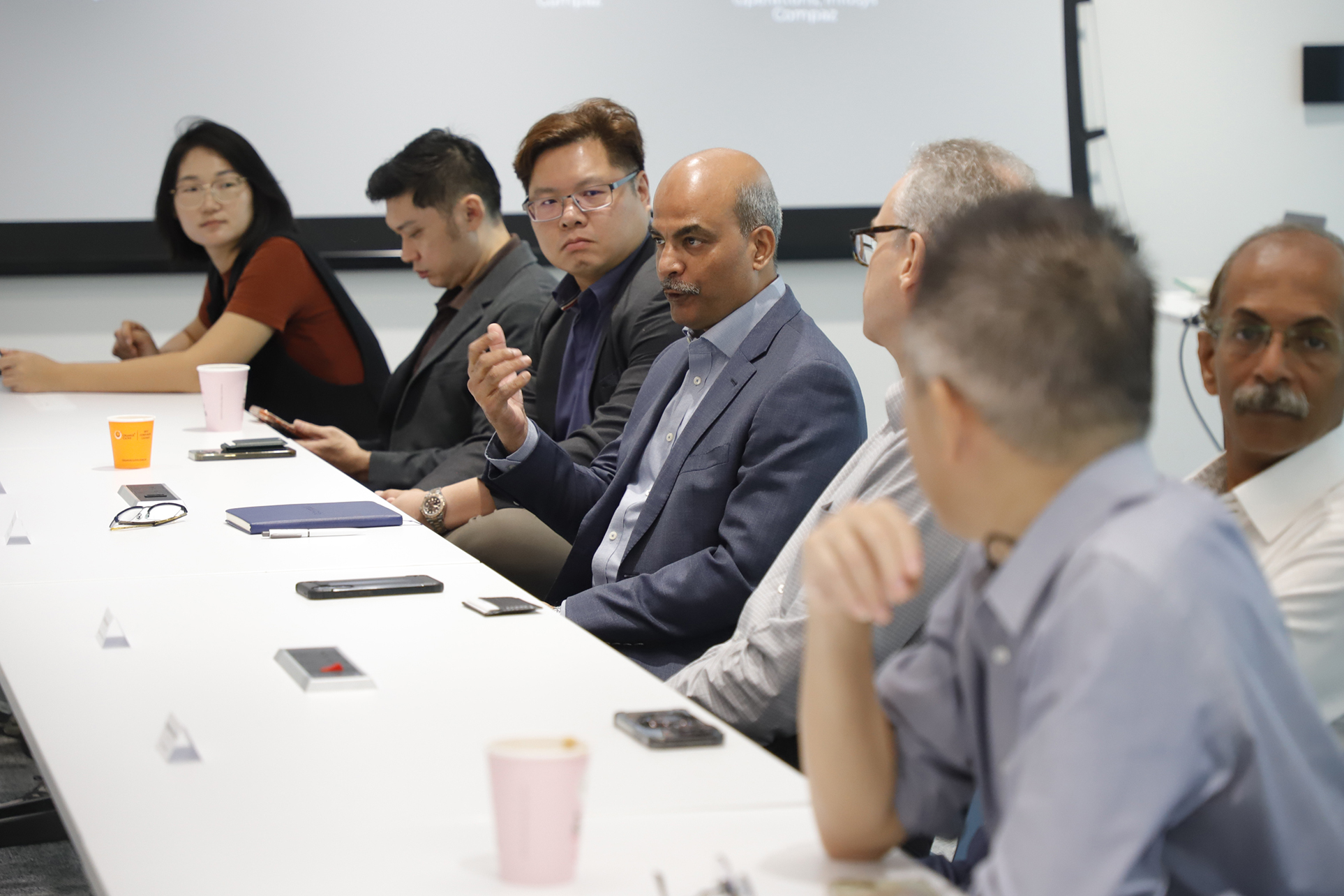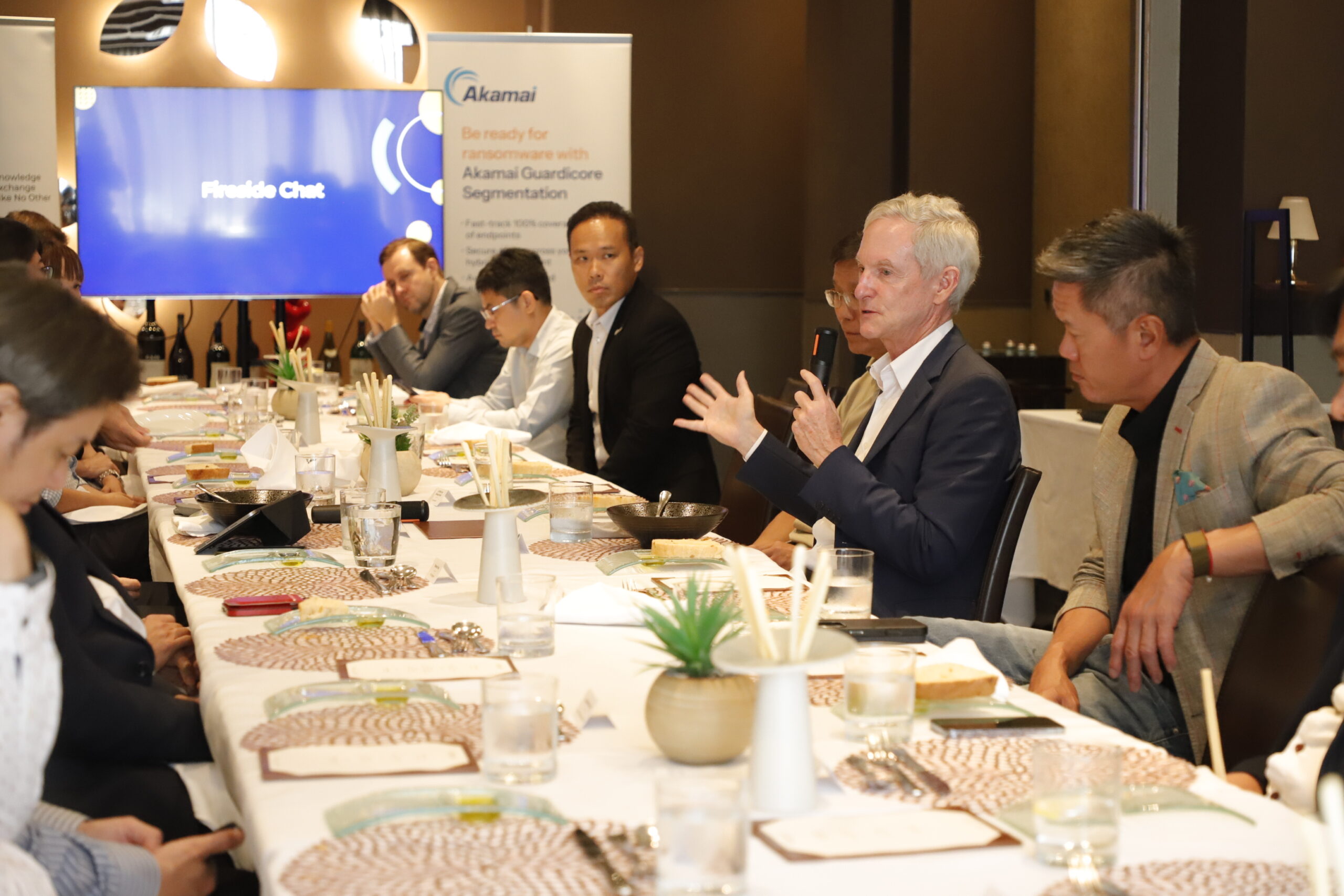

As artificial intelligence evolves beyond digital copilots and software-based automation, a new frontier is rapidly emerging: embodied intelligence. At the SPARK Executive CXO Workshop hosted in conjunction with the IMDA ATxSummit, enterprise and public-sector leaders gathered to examine how AI is increasingly moving into physical environments, reshaping manufacturing, logistics, warehousing, retail, and industrial operations through the rise of general-purpose robotics.
Held under the theme “From Embodied AI to Physical Production: The Commercialisation of General-Purpose Robotics,” the session explored both the technological advancements and governance realities required to operationalise physical AI at scale.
The workshop opened with remarks by David Chin, Chief Executive Officer of SPARK, who framed the discussion around the transition from experimentation toward production-grade intelligent systems. As AI capabilities mature, organisations are beginning to confront a new operational challenge: how to deploy intelligent autonomous systems safely, reliably, and economically in real-world environments.
The workshop also included a candid exchange on the governance and policy considerations that arise when AI systems are deployed across complex, multi-stakeholder environments. The discussion provided a broader lens on the responsibilities organisations must consider when moving highly autonomous systems from experimentation into real-world use.
Building on this theme of responsibility, a keynote presentation by Allison Straker, Principal Advisory Director at Info-Tech Research Group, explored the human and governance dimensions of this transformation. Her session introduced the concept of “Relational Intelligence”, the human capacity to build trust, manage conflict, and forge partnerships as the ultimate differentiator for leaders in an era where AI levels the informational playing field. Straker warned against the risks of “agency decay” and the erosion of authentic bonds when relying too heavily on AI stand-ins. To safely scale these systems, she advocated for a shift toward an Adaptive AI Governance framework. Unlike traditional governance, which relies on reactive risk management and static audits, an adaptive model is predictive, proactive, and focused squarely on driving measurable business value while ensuring continuous accountability.
The conversation then shifted from governance into industrial execution through a presentation by Zhao Yuli, Chief Strategy Officer at Galbot, a robotics company headquartered in Beijing. Her sharing offered senior leaders a closer look at how embodied AI and general-purpose robotics are moving from research and demonstration environments toward practical commercial relevance.
Without going into confidential details shared during the closed-door session, the discussion highlighted the broader opportunities and considerations surrounding physical AI, including real-world deployment readiness, operational integration, safety, trust, and the infrastructure needed to support autonomous systems at scale.
The workshop concluded with an open roundtable discussion exploring the broader implications of physical AI and humanoid robotics, from workforce transformation and industrial productivity to governance, operational resilience, and infrastructure readiness.
As embodied AI systems continue to evolve, the conversation is rapidly shifting from whether intelligent robots are possible to how organisations can safely operationalise them at scale. The session underscored that the next phase of AI transformation will not be confined to software alone, it will increasingly reshape the physical systems, industrial environments, and operational infrastructure that underpin modern economies.