As organisations move rapidly from AI experimentation into operational deployment, enterprises are beginning to realise that the future of AI will not be defined only by model capability or automation but by trust.
At SPARK’s executive dinner in partnership with Veeam, leaders across government, enterprise technology, cybersecurity, and AI gathered to discuss one of the defining challenges of the next decade: how organisations can deploy AI safely, responsibly, and confidently at scale in an increasingly autonomous world.
The evening also marked the official launch of SafeAI.sg, Singapore’s first industry-led Centre of Excellence focused on operationalising trusted AI deployment, governance, runtime observability, resilience, and practical implementation frameworks for enterprises and public sector organisations.
Opening the evening, David Chin and Chua Chee Pin highlighted how enterprises are entering a new phase of AI adoption one where resilience, governance, and operational accountability must evolve alongside innovation itself.
A key milestone during the evening was the introduction of the SafeAI.sg Council and distinguished advisors, bringing together leaders across government, enterprise, cybersecurity, and technology to help guide the development of practical governance approaches and trusted AI deployment strategies for the region.
The initiative reflects a growing recognition that no single organisation can solve the operational challenges of AI governance alone. Instead, trusted AI deployment will require ecosystem-wide collaboration, shared operational learning, and collective resilience across industries.
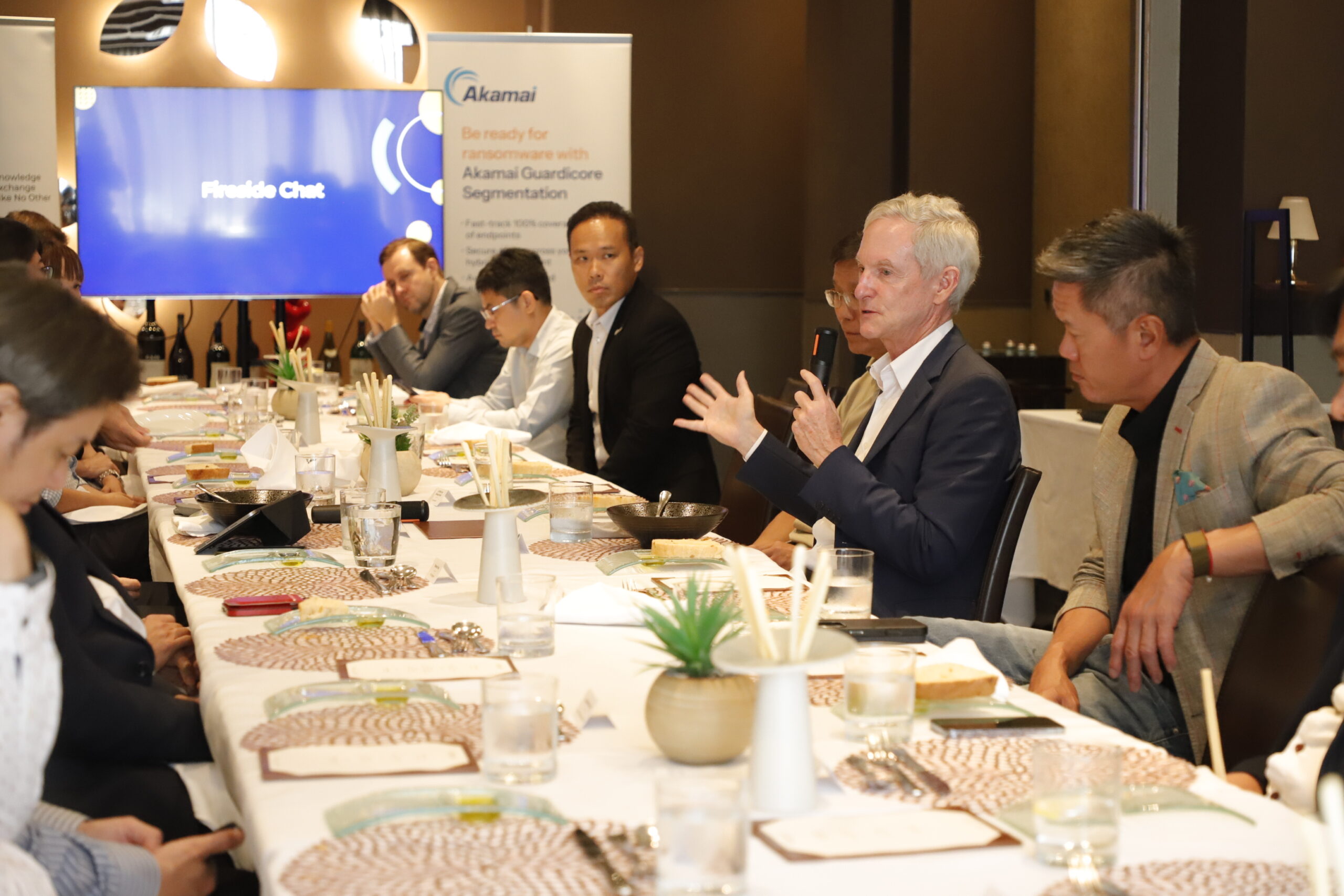
A fireside conversation featuring Kelly Forbes explored Singapore’s role as a global model for responsible AI adoption. The discussion focused on the importance of building governance approaches that reflect regional realities and societal values, rather than simply replicating frameworks developed elsewhere.
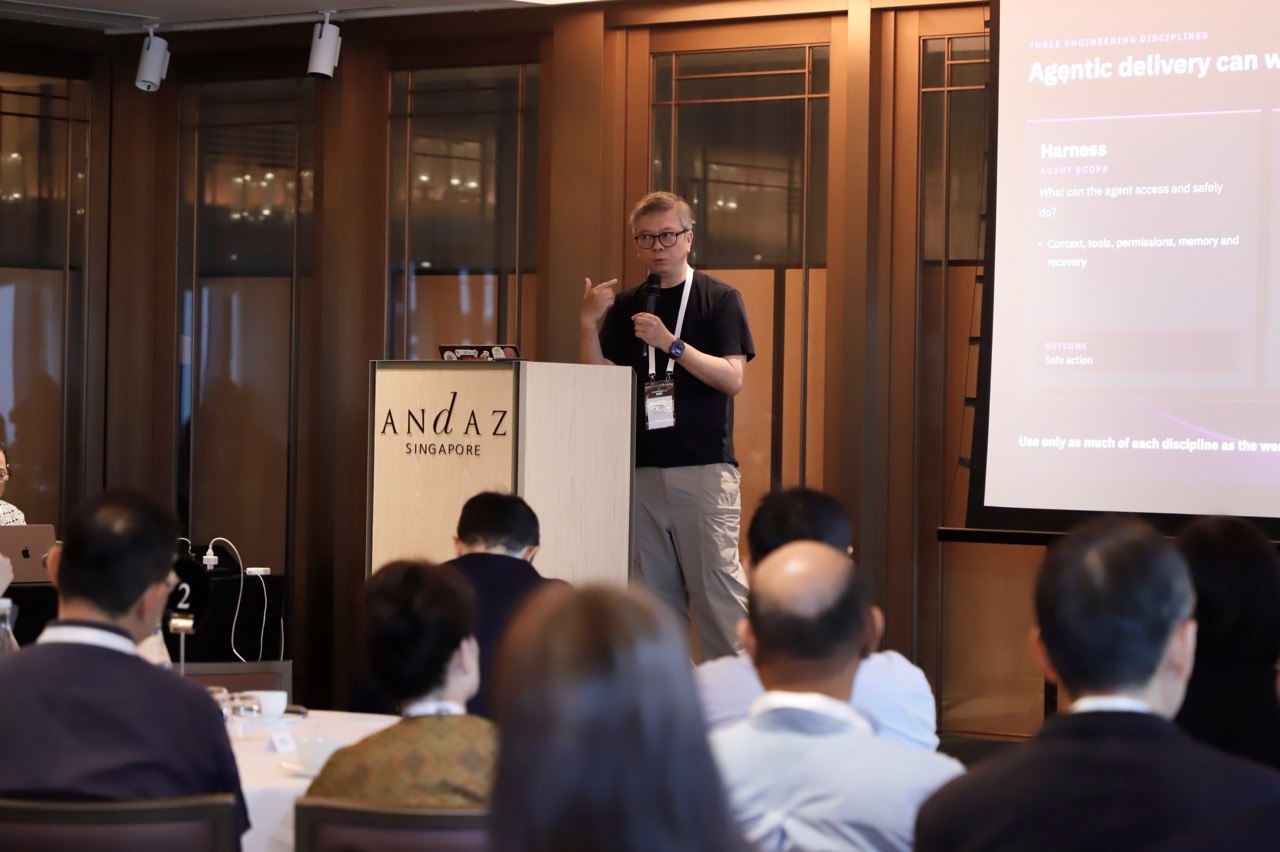
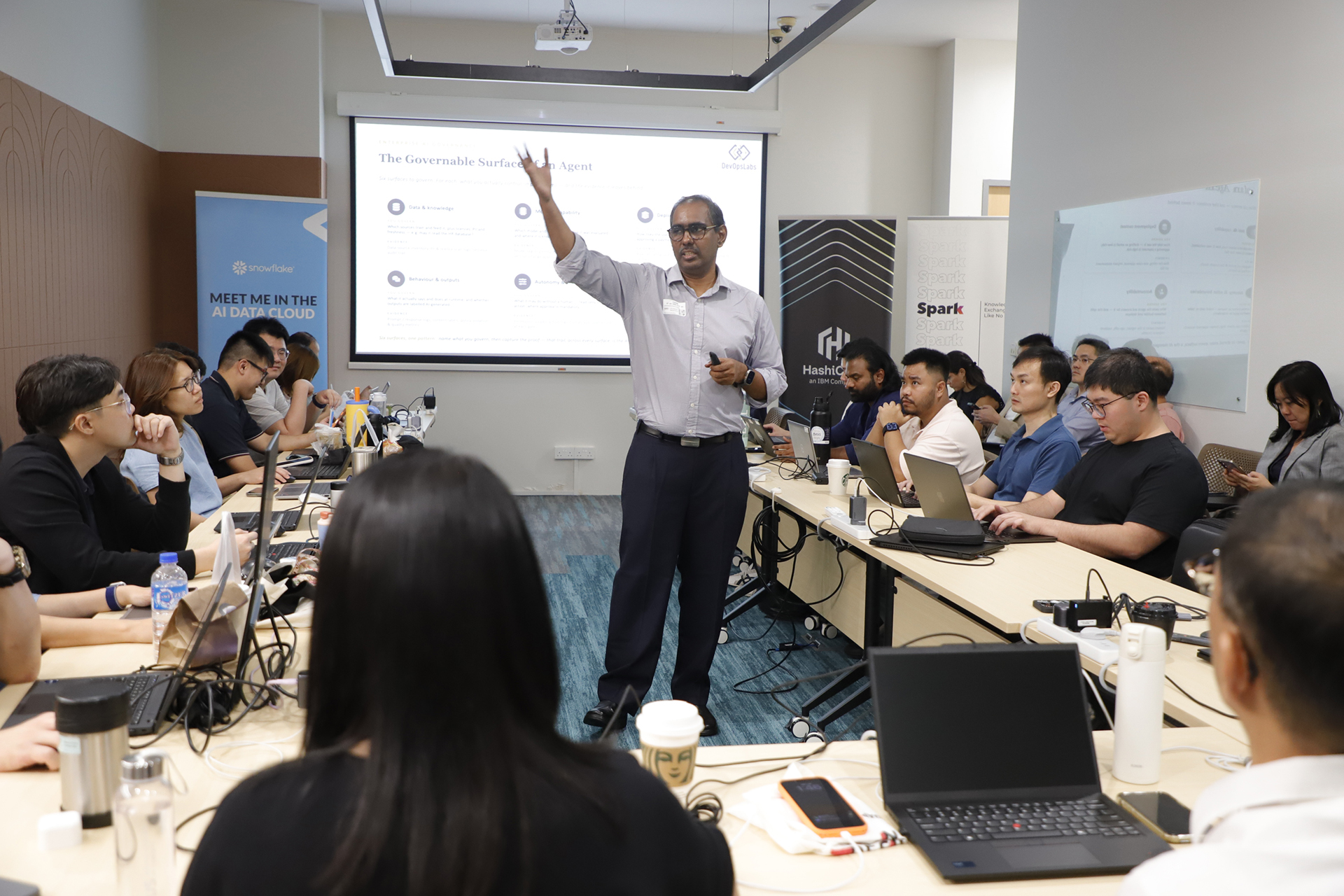
The keynote session led by Casa Goh and David Allott examined how the rise of agentic AI is fundamentally changing enterprise operating assumptions. AI systems are no longer simply generating insights they are increasingly capable of initiating actions autonomously across enterprise systems and workflows.
The discussions highlighted how organisations are now facing entirely new categories of operational risk:
- Autonomous agents operating with excessive permissions
- AI systems interacting directly with sensitive enterprise data
- Unstructured data becoming instantly machine-readable and actionable
- Decisions being executed autonomously at machine speed
- Security architectures originally designed around human actors struggling to adapt to non-human identities
One of the strongest themes emerging from the evening was the growing recognition that enterprises are missing a critical “trust layer” within today’s AI stack — a layer focused on governance, runtime observability, data lineage, identity-aware enforcement, and resilience.
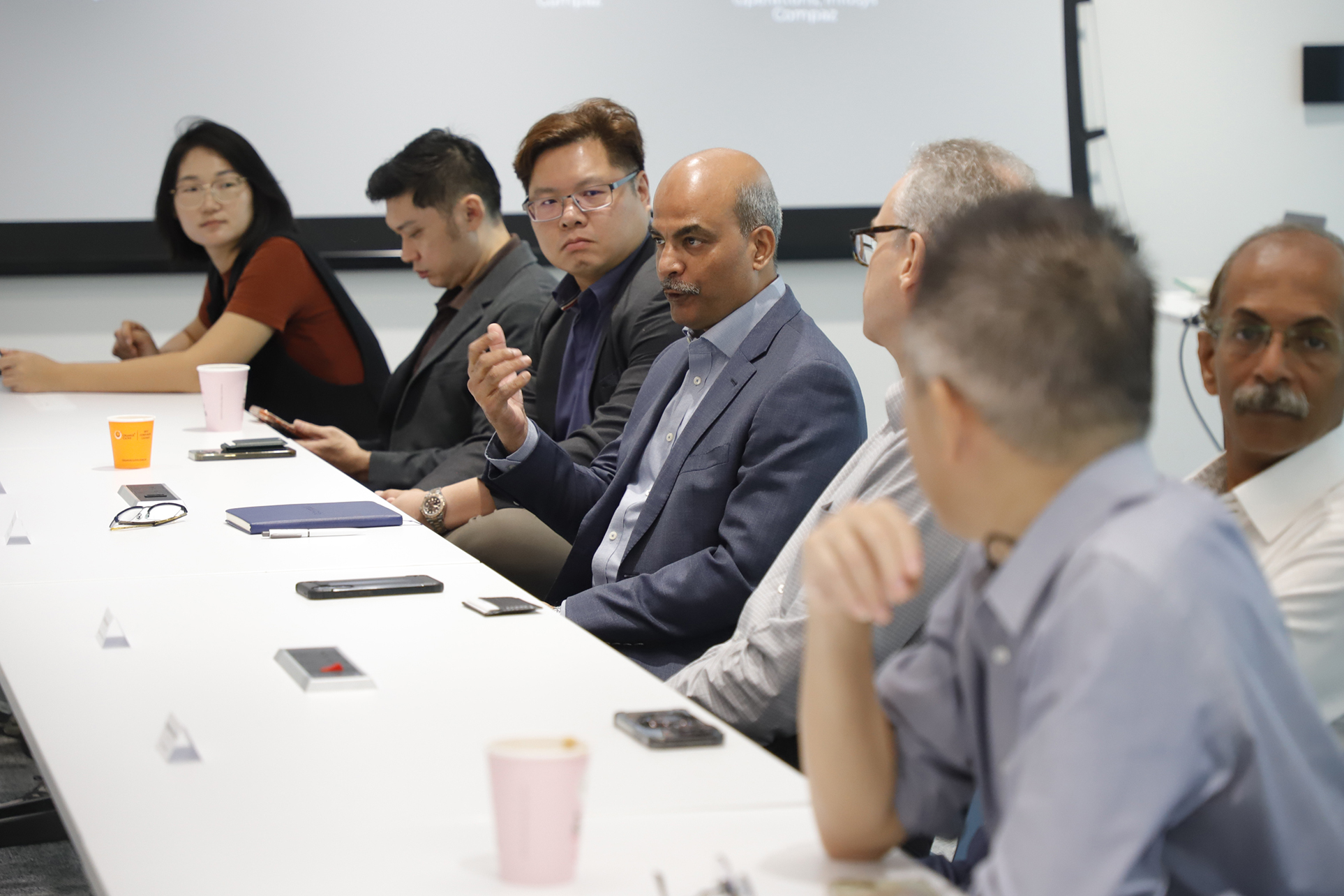
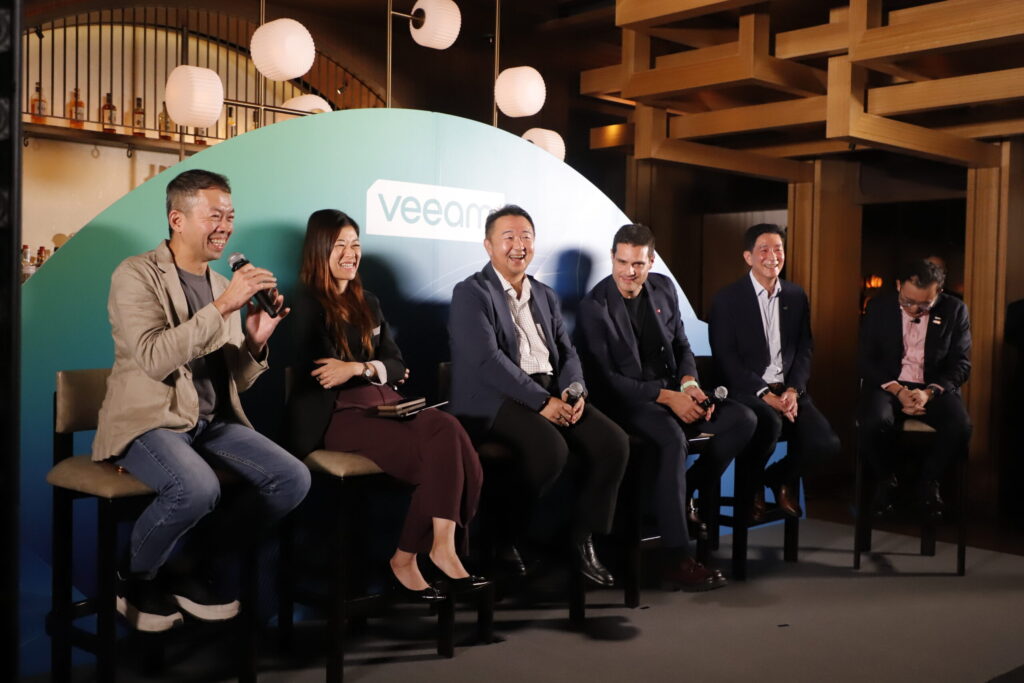
The panel discussion featuring Beni Sia, Glen Francis, Luis Carlos Cruz, Stanley Tsang, and Cheri Lim further reinforced the importance of collective resilience and ecosystem-wide collaboration in managing frontier AI risks and accelerating safe AI adoption.
Several themes stood out throughout the evening:
- Governance must move from policy documents into runtime operational controls
- AI trust and resilience are becoming board-level priorities
- Data lineage and observability are essential for trustworthy AI
- Organisations must rethink security architectures built primarily for human actors
- Ecosystem-wide collaboration will be critical in managing AI risk at scale
The strongest message of the evening was this: the next major AI failure may not simply be a cyber breach but an autonomous decision executed incorrectly before organisations have time to intervene.
As Singapore continues positioning itself as a global hub for responsible AI innovation, the launch of SafeAI.sg and the formation of its Council represent an important step toward building trusted AI infrastructure capable of supporting the next generation of enterprise and national transformation.