
Enterprise AI is entering a new phase, where the challenge is no longer simply proving what the technology can do, but understanding what it costs to operate at scale.
Traditional software budgets were built around relatively predictable licences, infrastructure and implementation projects. Generative AI changes that equation. Every prompt, retrieved document, model response and agent action can generate additional consumption, making costs increasingly difficult to forecast.
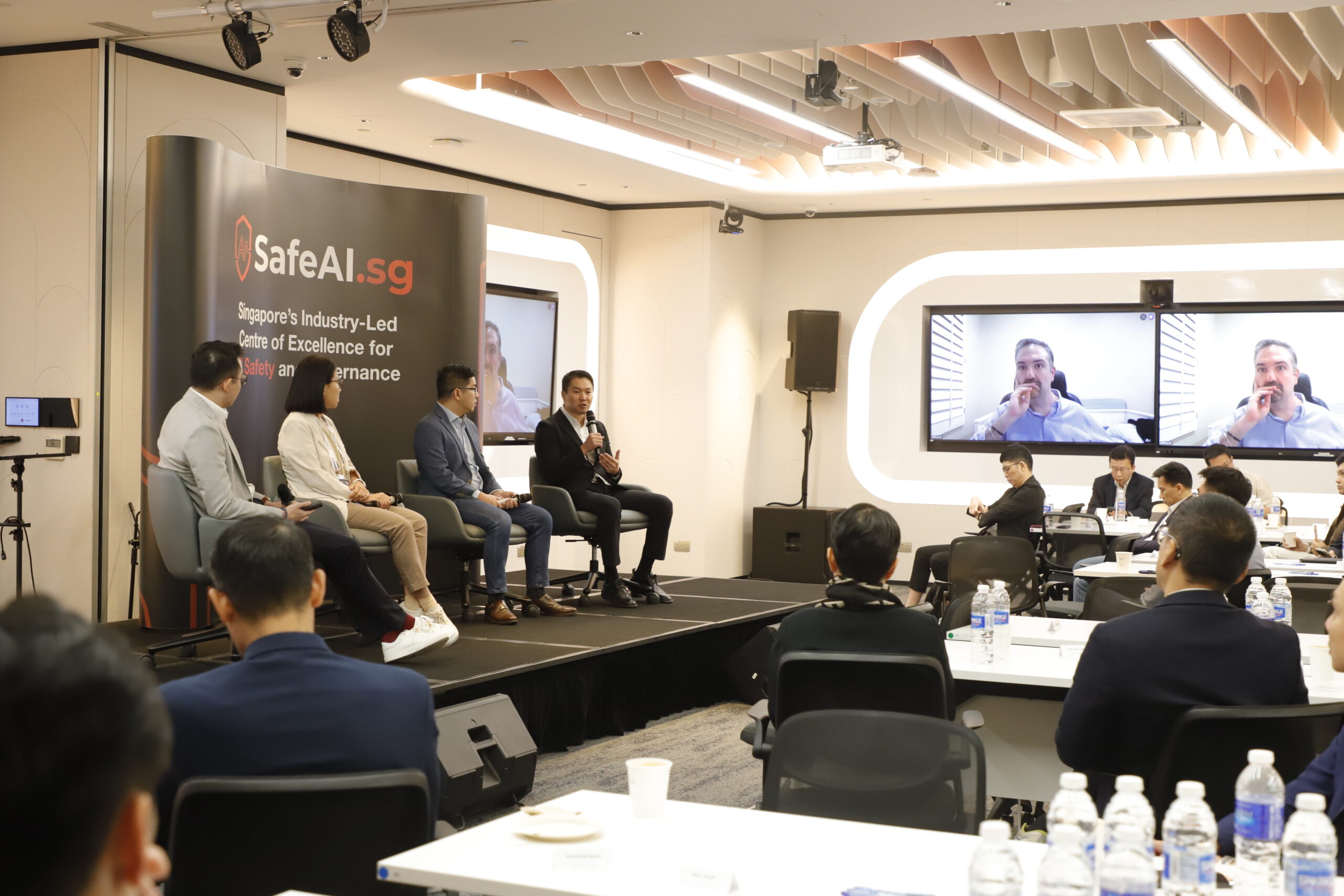
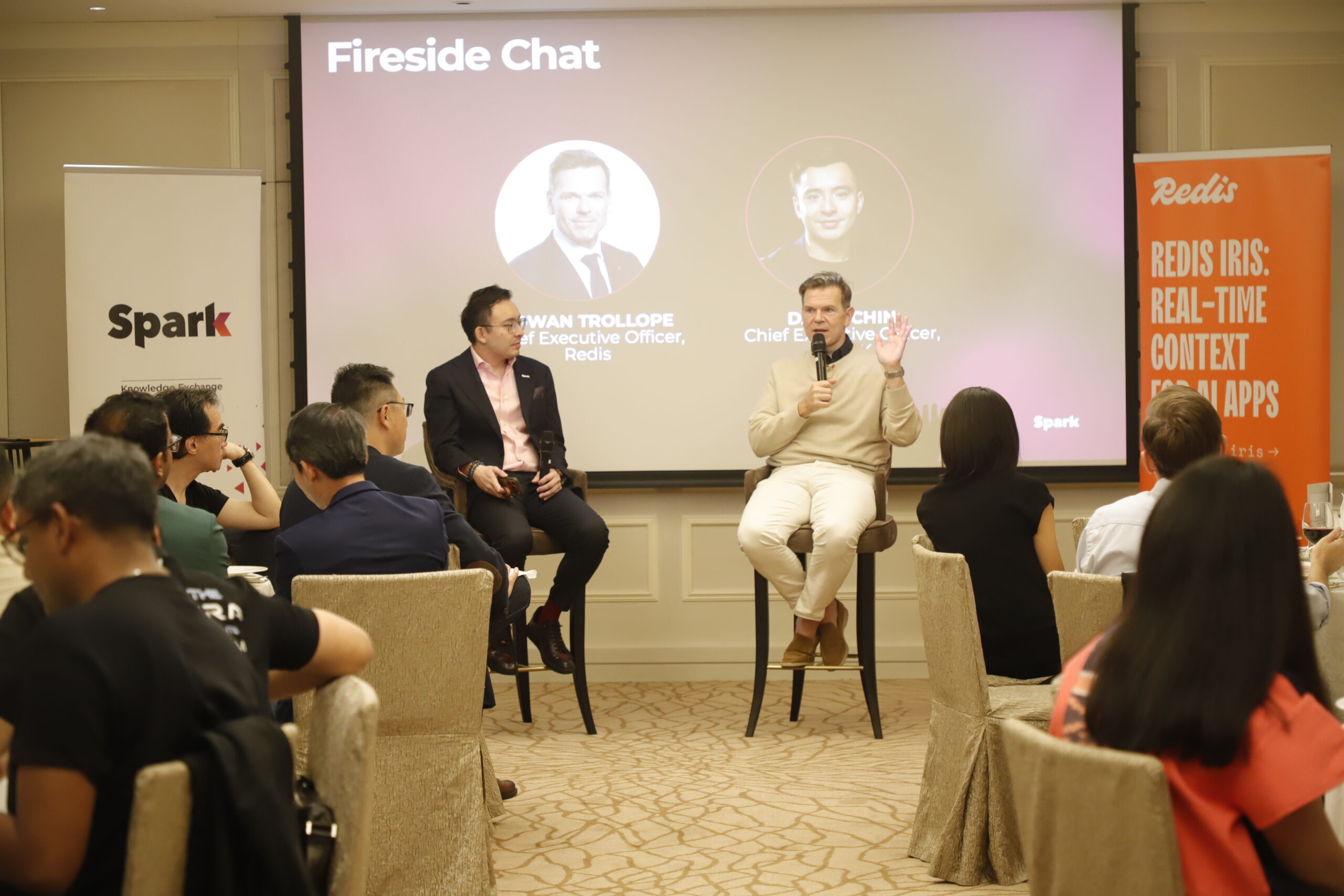
This emerging challenge was central to a recent SPARK executive discussion featuring Ewan Dunderdale of Infotech. The conversation explored a critical question for technology and business leaders: how can organisations move beyond AI experimentation to establish the financial discipline, technical controls and accountability needed for sustainable enterprise adoption?
The problem is variability, not just price
Unlike a conventional software subscription, AI spend depends on what people ask, which models respond, how much context is supplied and how often an automated workflow repeats. Dunderdale cited research indicating that 78% of IT leaders had encountered unexpected AI costs and that 80% of enterprises had missed AI infrastructure forecasts by more than 25%. Usage can expand faster than governance.
The mechanics matter. Input and output tokens can carry different prices, while model choices, caching, embeddings and tool calls add further complexity. Long conversations repeatedly pass context to models; a document uploaded once may effectively be processed many times. Agentic systems amplify the effect because one user request can trigger multiple calls, handoffs and retries. A workflow that looks inexpensive in a demonstration can behave very differently at production volume.
This makes cost awareness an architectural requirement. Organisations need to know not merely what a model costs per million tokens, but which workflows consume those tokens, what drives repetition and when automated activity should stop.
Engineering choices are financial decisions
Much of AI cost control sits within everyday design decisions. Retrieval-augmented generation can send only relevant information rather than entire documents. Caching avoids repeatedly processing the same context. History compression reduces the burden of long-running interactions, while model routing assigns simpler tasks to less expensive models without forcing users to make that choice themselves.
Prompts also deserve engineering discipline. Clear instructions, defined boundaries, appropriate context and specified output formats can improve both consistency and consumption efficiency. Yet brevity alone is not the objective: removing essential context may produce poor answers and costly rework. The better measure is useful output per unit of consumption.
For builders, configuration becomes a governance tool. Limits on output length, structured responses, controls on tool use and monitoring of agent loops can prevent waste before it appears on a bill. These controls are especially important when agents operate with increasing autonomy. An enterprise cannot rely on users to manually police costs generated by systems acting on their behalf.
FinOps must measure value, not simply allocate bills
AI FinOps extends cloud cost management into a more fragmented environment of APIs, embedded SaaS features, individual subscriptions, compute and governance expenditure. Dunderdale proposed making spend visible, attributing it to the responsible business activity and turning usage data into actionable insight. IT, finance, procurement, security and business leaders need a shared view of cost and benefit.
The discussion exposed an important distinction between showback and chargeback. Showing business units what their AI usage costs can build literacy without discouraging early experimentation. Charging those costs back immediately, however, may suppress innovation. Equally, visibility without consequences can become meaningless. A practical middle ground is to combine transparent reporting with explicit business ownership and evidence of value before introducing stronger financial accountability.
And value cannot be reduced to hours saved. Producing a report in minutes instead of days is useful, but the larger question is what that faster decision enables. One example raised involved inventory analysis leading to a substantial reduction in stockholding. Another showed AI interpreting complex service-level agreements to calculate potential vendor credits that would have taken people days to establish. In such cases, the value lies in better decisions, recovered money or changed outcomes—not simply a productivity calculation.
Responsible adoption requires proportional controls
Cost governance cannot be separated from AI risk. Employees already use accessible consumer tools, often ahead of enterprise-approved platforms. That creates exposure when confidential information enters unsanctioned systems. Restricting everything, however, can drive usage further into the shadows.
A more workable approach is to classify use cases by risk. Low-risk activities can move through lighter processes; high-risk applications require stronger testing, permissions, oversight and review. Training and internal AI champions help users understand both the opportunities and their responsibilities. Governance should enable safe adoption rather than become a blanket obstacle.
Ownership is equally important. IT can provide the platform, observability and controls, but business leaders must remain accountable for why an AI use case exists, whether it delivers value and what consequences follow from its outputs. AI deployment is not a substitute for redesigning the processes into which it is introduced.
Avoiding the next form of lock-in
Cost discipline also has a strategic dimension. A provider’s attractive introductory pricing may not endure, while dependence grows through proprietary models, tools and workflows. Participants debated private models, open-weight alternatives and on-premises infrastructure, recognising that each brings trade-offs in security, flexibility, skills and capital expenditure.
One proposed direction was a decoupled enterprise architecture: retain ownership of policies, shared agents and the AI control layer, while preserving the ability to route workloads across models and compute providers. This can reduce concentration risk and improve negotiating power.
Closing thoughts
The next phase of enterprise AI will not be defined by how many licences are activated or how many pilots reach production. It will depend on whether organisations can explain the cost of an AI-enabled outcome, demonstrate its value and govern the risks created along the way. Token visibility, engineering discipline, proportional safeguards and business accountability are not separate workstreams. Together, they form the operating foundation for AI that remains useful, affordable and trustworthy at scale.